
Screen Time Rules That Actually Work on Family Vacations
Discover screen time rules that actually work on family vacations. Learn how to set healthy limits, choose educational content, and keep kids engaged without battles or guilt.
ON THE ROADGEAR REVIEWS
12/20/20257 min read
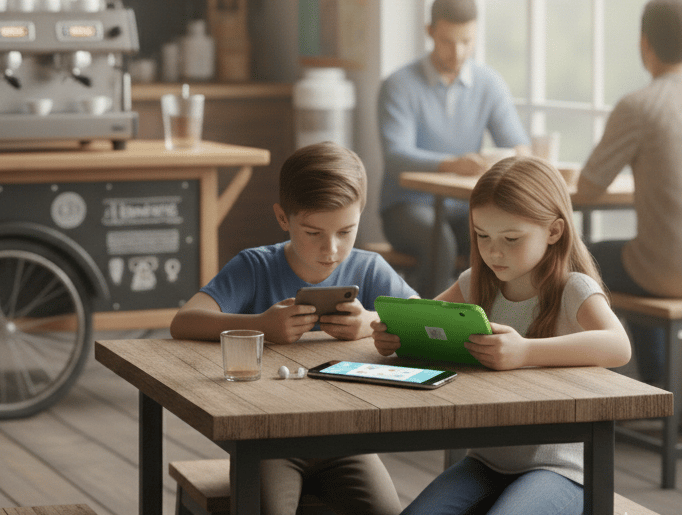
Creating flexible boundaries and choosing content that helps the whole family enjoy the trip
Family vacations are a strange mix of magic and chaos. Between long flights, slow restaurant meals, and hours spent in transit, even the most patient parents eventually reach for a tablet to keep the peace. Screen time can be an incredible tool when traveling with kids, but without clear boundaries, it can also dominate the trip and leave everyone feeling disconnected. The goal isn’t to eliminate screens. It’s to use them wisely, in ways that genuinely support the journey rather than distract from it. With a gentle approach and a few practical habits, you can build screen time rules that feel supportive rather than strict and that work for every age.
Start by Framing Screen Time as a Travel Tool
Many conflicts around screens begin with the mindset behind them. When parents think in terms of “allowed” and “not allowed,” kids naturally resist. During a vacation, it’s far more effective to present screen time as something that helps the family in specific moments. Tablets become tools for waiting in lines, apps become entertainment during long train rides, and shows become a quiet break after a busy day. This mindset shift allows children to understand screens as part of the rhythm of the trip—useful, enjoyable, but not constant.
Create Predictable Windows Instead of Hard Limits
Rigid rules tend to fail on holidays because travel days are unpredictable. Delays happen, naps are skipped, and energy levels rise and fall in ways no parent can control. Instead of declaring strict time limits, it often works better to set screens around natural moments. A show before bedtime, a movie during long drives, or tablet time only after breakfast gives kids a clear structure without the stress of counting minutes. Predictable windows feel more relaxing for everyone, and children learn when to expect screen time without asking for it every ten minutes.
Integrate Educational or Travel-Themed Content
Vacations are the perfect opportunity to blend entertainment with enrichment. The right content can inspire curiosity about the places you’re visiting or teach something meaningful without feeling like homework. Geography games, language-learning apps, nature documentaries, or interactive museum guides can make screens a part of the adventure rather than a break from it. Even familiar cartoons can be selected in the local language to expose kids to new sounds and cultures. When the content aligns with the trip, screen time becomes a natural extension of the travel experience.
Use Screen Time as a Shared Activity
Screens don’t have to isolate children. On family vacations, they can become surprising bonding tools. Watching a movie together on a train, sharing headphones, taking turns in a simple game, or exploring a kid-friendly travel app as a family can turn screen time into connection time. Many parents are surprised at how much more satisfying it feels when screens become part of a shared moment instead of something children do alone.
Keep Devices Offline for Parts of the Trip
One of the easiest ways to maintain healthy boundaries is simply to limit internet access. Downloading shows, movies, and games in advance ensures kids aren’t pulled into the endless loop of YouTube or social feeds. Offline mode creates a natural endpoint, helps prevent overstimulation, and avoids unexpected charges or data usage. It also keeps the trip a bit quieter, calmer, and more focused on the real world.
Model the Type of Screen Use You Want to See
Children watch their parents closely, especially on vacations when routines shift. When adults are glued to their phones, kids notice. Keeping your own device use intentional—checking maps, taking photos, messaging only when needed—sets an example that makes it easier for children to follow. Travel is often one of the few times families spend uninterrupted time together. Showing that you value that time helps them value it too.
Help Kids Transition Back to Real-World Moments
One of the biggest challenges is the moment screens turn off. Transitions are smoother when they are anticipated and paired with something inviting. Giving a heads-up before screen time ends, pointing out something interesting outside, offering a snack, or leading into the next activity helps children shift gears without a struggle. When transitions become predictable and positive, screen time stops feeling like a battleground.
Build in Tech-Free Rituals to Balance the Day
Even small screen-free rituals can ground the trip. Morning walks, bedtime stories, shared meals, or a daily family chat about the best moment of the day create anchors that screens never replace. These rituals don’t need to be elaborate; their consistency is what makes them powerful. They remind kids that screens are just one part of the vacation, not the center of it.
Remember That Flexibility Is Part of the Experience
The most important rule of all is recognizing that vacations are unusual environments. A little extra screen time during a nine-hour flight or a meltdown-filled afternoon doesn’t undo good habits at home. Parents often feel guilty, but travel is about survival, joy, and connection—not perfection. What matters is the overall balance and the intention behind your choices, not every minute counted.
A Relaxed Approach Creates a Better Vacation
When screen time becomes an ally instead of an enemy, family trips feel lighter. Kids stay happier, parents feel less stressed, and the whole family can enjoy the journey without constant negotiation. Thoughtful boundaries, meaningful content, and a calm, flexible approach help screens support the experience instead of overshadowing it. With these habits, screen time becomes something that works for your vacation, not against it.
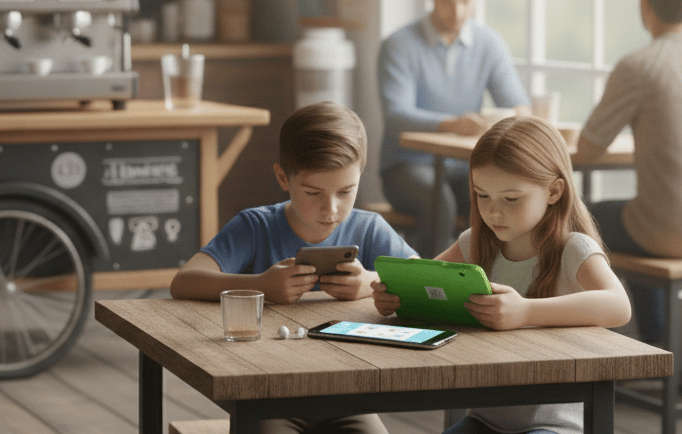
Creating flexible boundaries and choosing content that helps the whole family enjoy the trip
Family vacations are a strange mix of magic and chaos. Between long flights, slow restaurant meals, and hours spent in transit, even the most patient parents eventually reach for a tablet to keep the peace. Screen time can be an incredible tool when traveling with kids, but without clear boundaries, it can also dominate the trip and leave everyone feeling disconnected. The goal isn’t to eliminate screens. It’s to use them wisely, in ways that genuinely support the journey rather than distract from it. With a gentle approach and a few practical habits, you can build screen time rules that feel supportive rather than strict and that work for every age.
Start by Framing Screen Time as a Travel Tool
Many conflicts around screens begin with the mindset behind them. When parents think in terms of “allowed” and “not allowed,” kids naturally resist. During a vacation, it’s far more effective to present screen time as something that helps the family in specific moments. Tablets become tools for waiting in lines, apps become entertainment during long train rides, and shows become a quiet break after a busy day. This mindset shift allows children to understand screens as part of the rhythm of the trip—useful, enjoyable, but not constant.
Create Predictable Windows Instead of Hard Limits
Rigid rules tend to fail on holidays because travel days are unpredictable. Delays happen, naps are skipped, and energy levels rise and fall in ways no parent can control. Instead of declaring strict time limits, it often works better to set screens around natural moments. A show before bedtime, a movie during long drives, or tablet time only after breakfast gives kids a clear structure without the stress of counting minutes. Predictable windows feel more relaxing for everyone, and children learn when to expect screen time without asking for it every ten minutes.
Integrate Educational or Travel-Themed Content
Vacations are the perfect opportunity to blend entertainment with enrichment. The right content can inspire curiosity about the places you’re visiting or teach something meaningful without feeling like homework. Geography games, language-learning apps, nature documentaries, or interactive museum guides can make screens a part of the adventure rather than a break from it. Even familiar cartoons can be selected in the local language to expose kids to new sounds and cultures. When the content aligns with the trip, screen time becomes a natural extension of the travel experience.
Use Screen Time as a Shared Activity
Screens don’t have to isolate children. On family vacations, they can become surprising bonding tools. Watching a movie together on a train, sharing headphones, taking turns in a simple game, or exploring a kid-friendly travel app as a family can turn screen time into connection time. Many parents are surprised at how much more satisfying it feels when screens become part of a shared moment instead of something children do alone.
Keep Devices Offline for Parts of the Trip
One of the easiest ways to maintain healthy boundaries is simply to limit internet access. Downloading shows, movies, and games in advance ensures kids aren’t pulled into the endless loop of YouTube or social feeds. Offline mode creates a natural endpoint, helps prevent overstimulation, and avoids unexpected charges or data usage. It also keeps the trip a bit quieter, calmer, and more focused on the real world.
Model the Type of Screen Use You Want to See
Children watch their parents closely, especially on vacations when routines shift. When adults are glued to their phones, kids notice. Keeping your own device use intentional—checking maps, taking photos, messaging only when needed—sets an example that makes it easier for children to follow. Travel is often one of the few times families spend uninterrupted time together. Showing that you value that time helps them value it too.
Help Kids Transition Back to Real-World Moments
One of the biggest challenges is the moment screens turn off. Transitions are smoother when they are anticipated and paired with something inviting. Giving a heads-up before screen time ends, pointing out something interesting outside, offering a snack, or leading into the next activity helps children shift gears without a struggle. When transitions become predictable and positive, screen time stops feeling like a battleground.
Build in Tech-Free Rituals to Balance the Day
Even small screen-free rituals can ground the trip. Morning walks, bedtime stories, shared meals, or a daily family chat about the best moment of the day create anchors that screens never replace. These rituals don’t need to be elaborate; their consistency is what makes them powerful. They remind kids that screens are just one part of the vacation, not the center of it.
Remember That Flexibility Is Part of the Experience
The most important rule of all is recognizing that vacations are unusual environments. A little extra screen time during a nine-hour flight or a meltdown-filled afternoon doesn’t undo good habits at home. Parents often feel guilty, but travel is about survival, joy, and connection—not perfection. What matters is the overall balance and the intention behind your choices, not every minute counted.
A Relaxed Approach Creates a Better Vacation
When screen time becomes an ally instead of an enemy, family trips feel lighter. Kids stay happier, parents feel less stressed, and the whole family can enjoy the journey without constant negotiation. Thoughtful boundaries, meaningful content, and a calm, flexible approach help screens support the experience instead of overshadowing it. With these habits, screen time becomes something that works for your vacation, not against it.
TravelWizely - Family travel made simple and joyful.
• About Us • Contact • Privacy Policy • Terms of Use
© Travelwizely 2025. All Rights Reserved.